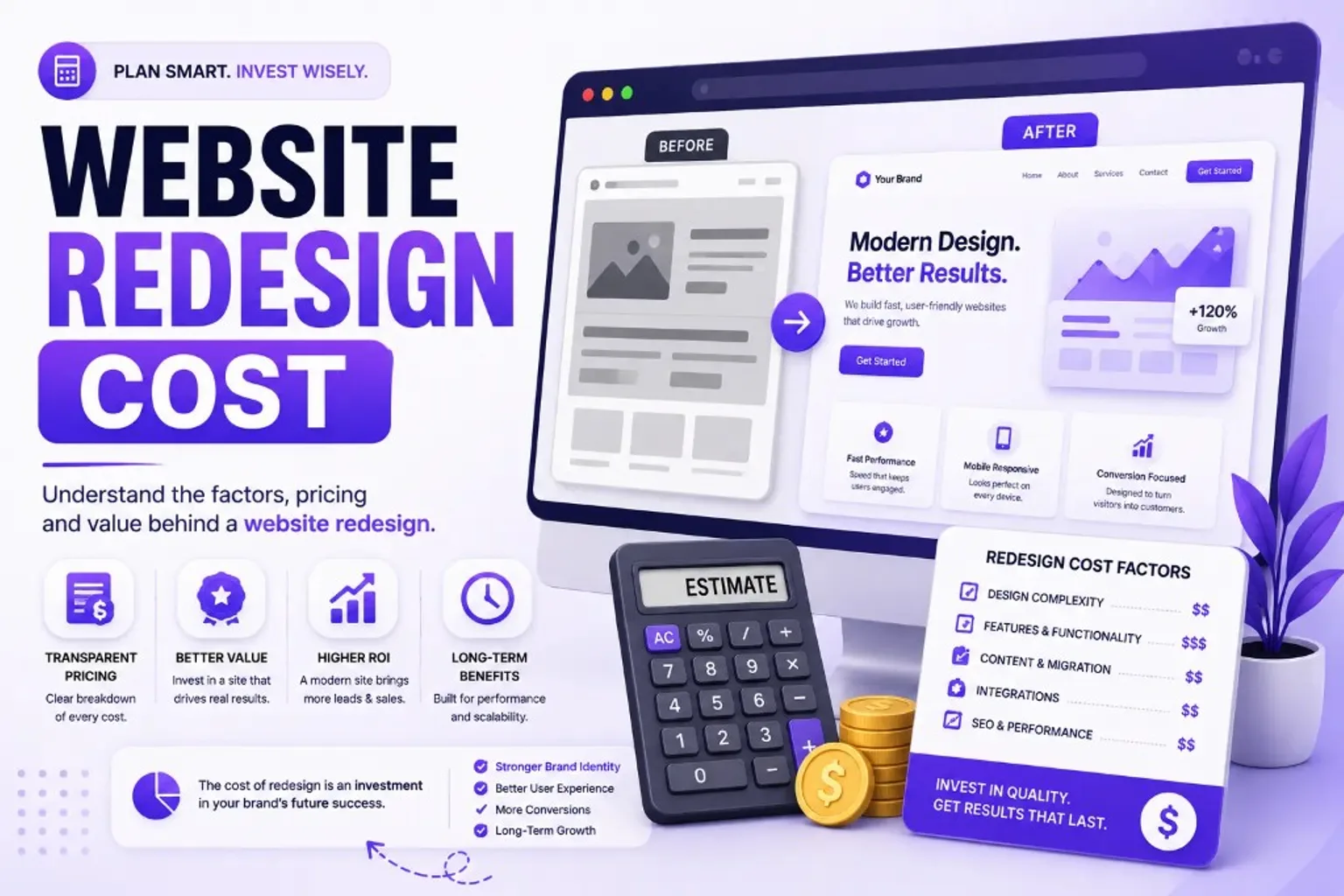
Imagine you're planning to renovate your office. One company quotes $2,000. Another quotes $8,000. A third quotes $20,000. Which one is correct? The honest answer is: they all might be.
The same is true for website redesign projects. One agency may redesign your homepage in a few days using an existing template. Another may spend weeks researching your customers, improving your messaging, redesigning your user experience, optimizing SEO, and creating a website that becomes one of your strongest sales channels.
Both are called "website redesigns." But they're completely different services. That's why asking only "How much does a website redesign cost?" is the wrong question.
A better question is: "What business results will this redesign help me achieve?"
At Pixiio, we believe businesses shouldn't buy websites. They should invest in digital assets that generate leads, strengthen trust, and support long-term growth. This guide explains what influences website redesign costs, how agencies calculate pricing, and how to decide whether a redesign is worth the investment.
Why Website Redesign Prices Vary So Much
Many business owners are surprised by the difference in agency quotes. The reason is simple: every redesign project is unique. Pricing depends on factors such as:
- Website size
- Number of pages
- Content requirements
- UX research
- UI design
- Development complexity
- SEO migration
- Performance optimization
- CMS platform
- Integrations
- Timeline
- Ongoing support
You're not paying only for design. You're paying for strategy, planning, execution, and long-term business value.
What You're Actually Paying For
A professional redesign involves much more than creating attractive pages. Typical project stages include:
Discovery
Understanding:
- Your business
- Target audience
- Competitors
- Existing website
- Growth opportunities
Website Audit
Reviewing:
- SEO
- UX
- Analytics
- Conversion rate
- Performance
- Accessibility
This helps identify what's working and what needs improvement.
Strategy
Planning:
- Site architecture
- User journey
- Navigation
- Internal linking
- Content hierarchy
- Conversion strategy
Without strategy, design becomes guesswork.
UI/UX Design
Creating:
- Wireframes
- High-fidelity designs
- Design systems
- Responsive layouts
- Interactive prototypes
Good design helps users accomplish their goals faster.
Development
Building:
- Responsive pages
- WordPress or Elementor implementation
- Custom functionality
- Performance optimization
- CMS configuration
Development transforms strategy into a working product.
Testing & Launch
Before launch, every website should be tested for:
- Mobile responsiveness
- Browser compatibility
- Speed
- SEO
- Forms
- Accessibility
- Analytics
A smooth launch reduces technical problems and protects your existing traffic.
Average Website Redesign Cost by Business Type
While every project is different, these ranges help illustrate how project scope affects investment.
| Business Type | Typical Investment |
|---|---|
| Landing Page | $500–$2,000 |
| Small Business Website | $2,000–$5,000 |
| Startup Website | $3,000–$8,000 |
| SaaS Marketing Website | $5,000–$15,000 |
| Corporate Website | $8,000–$25,000+ |
| Enterprise Platform | Custom Pricing |
These figures vary depending on the agency, project scope, and technical requirements.
Why the Cheapest Option Often Costs More
A low quote can seem attractive. But businesses frequently end up paying more later because of:
- Poor UX
- Weak SEO
- Slow performance
- Generic templates
- Limited scalability
- Technical debt
- Frequent rebuilds
Instead of asking "What's the cheapest redesign?" ask "Which redesign will create the highest long-term return?"
A website should support your business for years, not create problems six months after launch.
The Pixiio Website Investment Framework™
At Pixiio, we don't think about redesigns as design projects. We think about them as business investments. Every redesign follows six strategic phases.
- Discover, Understand business goals, customers, and competitors.
- Audit, Evaluate UX, SEO, content, speed, and conversion opportunities.
- Strategy, Plan information architecture, customer journeys, and website goals.
- Design, Create a modern, conversion-focused user experience.
- Develop, Build a fast, scalable, SEO-friendly website.
- Grow, Measure performance and continuously improve after launch.
This process ensures your investment continues delivering value long after the website goes live.
Cost vs Return on Investment (ROI)
A redesign should never be judged only by its price. Instead, ask: if a better website helps generate:
- More qualified leads
- Higher conversion rates
- Better customer trust
- Increased sales
- Lower bounce rates
- Improved SEO visibility
...what is that worth to your business over the next three years?
The Real Cost Question
The cheapest redesign may have the lowest price, but the highest long-term cost. The best redesign is the one that creates measurable business growth.
What Actually Increases the Cost of a Website Redesign?
Not every website redesign requires the same level of work. Two businesses may both ask for a "website redesign," yet one project takes two weeks while another takes three months.
The difference lies in the scope, not just the design. Let's explore the biggest factors that influence pricing.
1. Website Size
The number of pages directly affects the amount of research, design, development, testing, and content optimization required. For example:
| Website Size | Typical Scope |
|---|---|
| Landing Page | 1 Page |
| Small Business | 5–10 Pages |
| Startup Website | 10–20 Pages |
| SaaS Marketing Site | 20–50 Pages |
| Enterprise Website | 50+ Pages |
More pages mean more work, not just more design.
2. Custom UI/UX Design
One of the biggest pricing differences comes from design quality.
| Template-Based Design | Custom UI/UX Design |
|---|---|
| Faster | Brand-focused |
| Lower cost | Better user experience |
| Limited uniqueness | Stronger conversions |
| Less flexibility | More scalable, unique visual identity |
Custom design requires more strategy and research, but it often delivers better long-term results.
3. Content Strategy & Copywriting
Many business owners overlook content during budgeting. However, rewriting:
- Homepage
- Service pages
- About page
- Case studies
- Landing pages
- Calls-to-action
can take just as much time as designing the website itself. High-quality content helps improve SEO, user trust, conversion rates, and brand positioning. A great design with weak messaging rarely performs well.
4. SEO Migration
If your existing website already ranks on Google, protecting that visibility is essential. A professional redesign often includes:
- URL mapping
- 301 redirects
- Metadata preservation
- Internal link updates
- XML sitemap generation
- Search Console verification
- Schema validation
Skipping SEO migration can result in significant traffic losses after launch.
5. Website Performance Optimization
Speed isn't optional. Visitors expect fast-loading websites, and search engines reward them. Performance work may include:
- Image optimization
- Lazy loading
- Modern image formats
- Code optimization
- CSS & JavaScript cleanup
- Caching
- CDN integration
Performance optimization improves both user experience and search visibility.
6. Third-Party Integrations
Many businesses need their website to connect with external platforms. Examples include:
- CRM systems
- Email marketing platforms
- Booking systems
- Payment gateways
- Live chat
- Analytics tools
- Marketing automation
Each integration adds planning, testing, and development time.
Freelancer vs Agency Pricing
Businesses often compare freelancers and agencies without considering the difference in services.
| Freelancer | Professional Agency |
|---|---|
| Individual specialist | Dedicated multidisciplinary team |
| Lower initial investment | Higher strategic value |
| Suitable for smaller projects | Ideal for long-term business growth |
| Limited availability | Structured project management |
| Varying QA standards | Established quality assurance process |
Neither option is universally better. The right choice depends on your project goals, timeline, and growth plans.
Elementor vs Custom WordPress Development
Another factor influencing cost is the technology stack.
| Elementor Website | Custom WordPress Development |
|---|---|
| Faster development | Longer timeline |
| Easier content updates | More developer involvement |
| Lower upfront investment | Higher development cost |
| Excellent for most business websites | Better for highly specialized platforms |
For most service businesses and startups, Elementor provides an excellent balance between flexibility, speed, and cost-effectiveness.
Website Redesign vs Building a New Website
Sometimes a redesign isn't enough. If your existing website has:
- Outdated technology
- Poor architecture
- Security issues
- Scalability limitations
starting fresh may be the better investment.
| Website Redesign | New Website |
|---|---|
| Improves existing structure | Built from scratch |
| Shorter timeline | Longer planning process |
| Lower investment | Higher investment |
| Best when the foundation is solid | Best when major technical issues exist |
Choosing the right approach requires evaluating both your current website and your future business goals.
Hidden Costs Businesses Often Forget
When budgeting, many companies focus only on design and development. They forget the ongoing costs that keep a website performing well. These may include:
- Premium plugins
- Hosting
- Domain renewal
- Website maintenance
- Security monitoring
- Content updates
- SEO improvements
- Analytics tools
- Backup systems
Planning for these expenses helps avoid surprises after launch.
How to Budget for a Website Redesign
Rather than asking, "What's the cheapest option?" consider these questions:
- How important is my website to lead generation?
- How much revenue could better conversions create?
- How often will my team update content?
- Do I expect the website to support growth for several years?
Thinking in terms of long-term business value leads to better investment decisions.
Calculate Website ROI Instead of Website Cost
A redesign should be evaluated by its return, not just its price. For example, imagine your current website generates 10 qualified leads per month. After a strategic redesign, it generates 25 qualified leads per month.
If even a few of those additional leads become paying customers, the redesign may pay for itself much sooner than expected. Instead of measuring only what you spend, measure what your improved website helps you earn.
Questions to Ask Before Accepting a Proposal
Before choosing any agency, ask:
- Strategy, Is discovery included?
- Design, Is the UI custom or template-based?
- Development, Is performance optimization included?
- SEO, Will existing rankings be protected?
- Support, What happens after launch?
- Growth, Can the website scale with my business?
The quality of these answers often matters more than the final price.
Quick Budget Planning Checklist
Before requesting quotes, define:
Business Goals
- Lead generation
- Sales growth
- Brand positioning
- SEO improvements
Project Scope
- Number of pages
- New content requirements
- Required integrations
- CMS platform
Long-Term Needs
- Maintenance
- Future scalability
- Marketing support
- Ongoing optimization
A clear project brief helps agencies provide more accurate proposals and reduces unexpected costs later.
Common Website Redesign Budget Mistakes Businesses Make
Investing in a website redesign is a major business decision. However, many companies don't lose money because they spend too much, they lose money because they invest in the wrong things. Here are the most common budgeting mistakes to avoid.
1. Choosing the Lowest Quote
A lower price doesn't always mean better value. Many low-cost redesigns exclude:
- UX research
- SEO planning
- Content strategy
- Performance optimization
- Quality assurance
- Post-launch support
These services often become additional expenses later. Instead of comparing prices, compare what's actually included.
2. Ignoring Return on Investment
Many businesses ask, "How much does a redesign cost?" A better question is, "How much revenue could a better website generate?"
If your redesigned website helps you increase qualified leads, improve conversion rates, build stronger customer trust, and reduce bounce rates, the long-term return can far exceed the initial investment. Think beyond today's invoice. Think about the next three years of business growth.
3. Forgetting Future Growth
A website should support where your business is going, not just where it is today. Ask yourself:
- Will we add new services?
- Will we publish regular content?
- Will the team manage the website internally?
- Will traffic increase significantly?
Planning for growth now is far less expensive than rebuilding later.
4. Underestimating Content Creation
Many redesign projects focus on visuals while neglecting content. Your website copy influences search visibility, customer trust, conversion rates, and brand perception. A beautifully designed page with weak messaging rarely performs well. Good content is one of the highest-return investments in any redesign project.
5. Treating Launch Day as the End
A website shouldn't remain unchanged after launch. The highest-performing websites are continuously improved. Ongoing optimization may include:
- Publishing new content
- Improving page speed
- Updating service pages
- Adding testimonials
- Running A/B tests
- Monitoring SEO performance
- Improving Core Web Vitals
Your redesign is the foundation, not the finish line.
The Complete Website Investment Checklist
Before approving any redesign proposal, review these areas.
Business Strategy
- Business goals defined
- Target audience identified
- Competitor research completed
- Success metrics established
User Experience
- Customer journey mapped
- Navigation simplified
- Mobile-first design planned
- Accessibility considered
Content
- Homepage rewritten
- Service pages updated
- Calls-to-action improved
- Case studies prepared
- Testimonials collected
SEO
- Keyword strategy completed
- URL migration planned
- Redirects prepared
- Internal links reviewed
- Schema markup included
Performance
- Image optimization
- Core Web Vitals
- Hosting review
- Caching
- CDN configuration
Growth
- Analytics installed
- Conversion tracking configured
- Maintenance plan prepared
- Future scalability considered
A redesign should prepare your business for the next stage of growth, not simply replace an outdated website.
Frequently Asked Questions
Is a website redesign worth the investment?
For businesses that rely on their website for lead generation, credibility, or online sales, a strategic redesign often delivers long-term value through improved conversions, stronger branding, and better search visibility.
How often should a website be redesigned?
Most business websites benefit from a strategic redesign every 3–5 years. However, if your branding, services, technology, or customer expectations have changed significantly, you may benefit from redesigning sooner.
What's the difference between a redesign and a refresh?
A refresh updates visual elements such as colors, typography, or imagery. A redesign improves the overall business performance of the website, including UX, SEO, content strategy, navigation, and conversion optimization.
Can I redesign my website without losing SEO?
Yes. With proper planning, including URL mapping, 301 redirects, metadata preservation, and technical SEO reviews, you can protect your existing rankings while improving your website.
How do I know if my website is underperforming?
Common indicators include:
- High bounce rate
- Low conversion rate
- Declining organic traffic
- Poor mobile experience
- Slow loading speed
- Outdated branding
- Low lead generation
If you're experiencing several of these issues, a website audit is a good first step.
Why Businesses Choose Pixiio
At Pixiio, we approach every redesign as a business growth project, not just a design project. Our redesign services include:
- Website strategy & discovery
- UX research & user journey mapping
- Modern UI design
- WordPress & Elementor development
- Technical SEO
- Core Web Vitals optimization
- Conversion rate optimization (CRO)
- Website performance improvements
- Ongoing growth & support
Our goal isn't simply to launch a better-looking website. Our goal is to build a website that helps your business attract the right audience, convert more visitors, and grow sustainably.
Get a Free Website Investment Audit
Not sure whether your current website needs a redesign? Start with a free audit. We'll evaluate website strategy & positioning, UX & UI quality, SEO health & technical issues, Core Web Vitals & performance, mobile responsiveness, content & messaging, conversion opportunities, and overall ROI potential. No obligation. No generic recommendations. Just actionable insights that help you make informed business decisions.
The true cost of a website redesign isn't what you pay today, it's what your business misses if your website continues underperforming tomorrow.
Final Thoughts
A website redesign isn't just another marketing expense. It's an investment in your business's digital infrastructure. The right redesign helps you:
- Generate more qualified leads
- Improve customer trust
- Increase conversions
- Strengthen SEO performance
- Support future growth
- Create a better user experience
The cheapest proposal isn't always the most affordable. The most affordable redesign is the one that creates measurable business results for years to come. When strategy, UX, content, SEO, and performance work together, your website becomes one of your most valuable business assets.
Pixiio Team
Design & Development Agency
Pixiio designs and builds high-converting websites for startups, SaaS companies, and local businesses worldwide.